How to Hold a Bow
This guide contains affiliate links. As an Amazon Associate I earn from qualifying purchases. How affiliate links work.
By James Holbert · Explained Archery
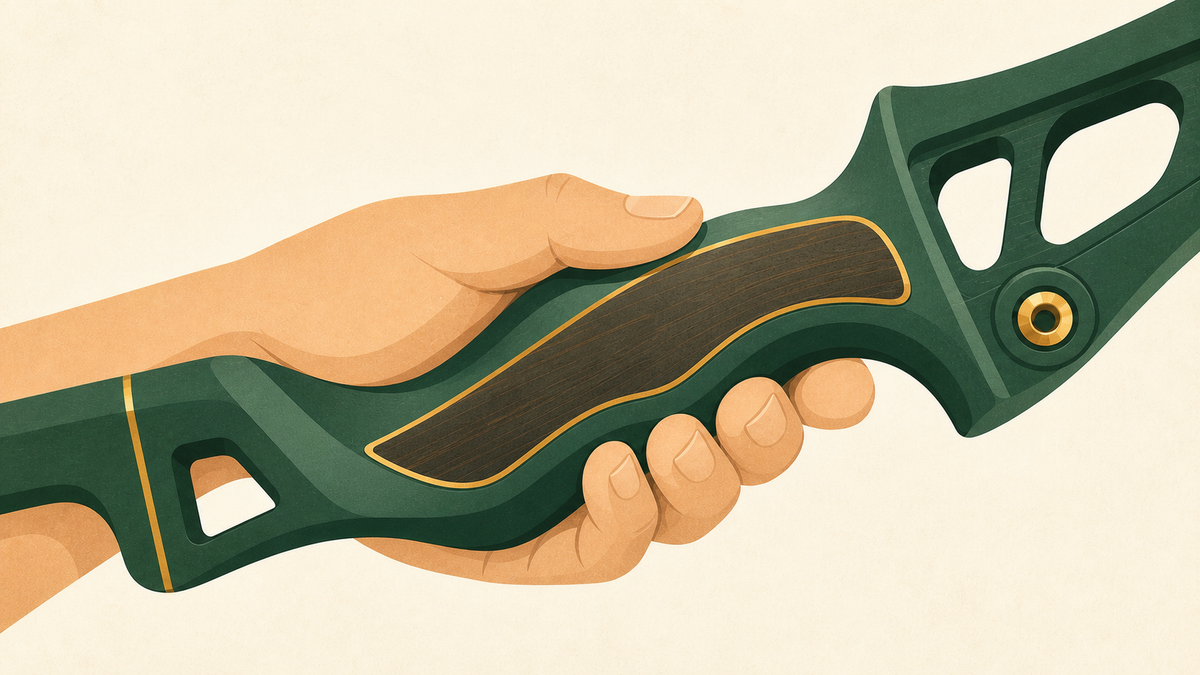
Hold the bow with a relaxed bow hand, pressure through the thumb-pad area, and fingers that stay loose instead of clamping down. Keep the bow arm steady, shoot only toward a safe target and backstop, and let the grip stay repeatable from shot to shot.
Quick answer
The bow should sit in the meaty part of your bow hand, not in a tight fist. Let the grip rest against the thumb pad and lifeline area of the palm, keep the fingers relaxed, and keep the wrist comfortable. A soft grip helps the bow jump forward cleanly after the shot instead of twisting in your hand.
Why bow grip matters
A tight grip twists the riser. That torque can move the sight picture, send arrows left or right, and make every shot feel different. A relaxed, repeatable grip gives the bow a cleaner path out of the hand and makes it easier to spot real setup problems instead of grip problems.
Bow hand position
- Use the thumb pad and lifeline area of the palm.
- Keep the fingers loose or lightly curled.
- Let the knuckles sit at a relaxed angle.
- Keep the wrist neutral or only slightly relaxed, depending on the bow and grip shape.
- Avoid pushing from the side of the hand or from the heel of the palm.
Step-by-step: how to hold the bow
- Stand facing the target with a safe lane and backstop.
- Set the bow grip into the thumb-pad area of your hand.
- Let the wrist stay relaxed instead of locked.
- Keep the fingers loose.
- Raise the bow without squeezing it.
- Draw smoothly.
- Keep the bow hand relaxed through the shot and follow-through.
Common grip mistakes
- Squeezing the handle too hard
- Grabbing the bow at the shot
- Pushing from the wrong part of the hand
- Twisting the wrist
- Changing grip pressure from arrow to arrow
- Locking the elbow harshly
- Ignoring draw-length fit when the stance feels strained
Recurve vs compound grip
The relaxed-grip principle is the same, but the feel can differ. Compound bows often show torque in the sight picture or in left-right misses. Recurve shooters still need steady pressure and a clean follow-through. Do not chase a different grip every shot; keep the hand repeatable and let the bow settle the same way each time.
Bow arm and shoulder
Keep the bow shoulder low and comfortable. Do not overextend to make the bow fit. If the stance forces you to lean back or stretch for anchor, check your draw length before you keep practicing. If the anchor keeps drifting, compare it with Archery Anchor Point. If you need a quick fit check, use the Draw Length Calculator or review How to Measure Draw Length. When the grip or release still feels inconsistent, compare the next step with How to Aim a Bow.
Beginner safety note
Never point a bow at people, animals, roads, houses, or anything unsafe. Only draw with a safe target and backstop in place. Never dry fire a compound bow, and do not test a damaged bow by shooting it. If the bow was hit or dropped, read Dry Firing a Compound Bow before you keep using it.
Practice drill
A short blank-bale or close-range grip check is enough for most beginners. Focus on relaxed hand pressure and repeatable placement. Stop if the form starts to feel strained. If the arrows keep missing left or right and the grip changes from shot to shot, get in-person help instead of forcing more arrows through the problem.
Related beginner guides
These pages keep the rest of the beginner path in one place.
Frequently asked questions
Short answers for the most common bow-grip questions.
Should I grip a bow tightly?
No. A tight grip adds torque. Hold the bow with a relaxed hand and steady pressure in the thumb-pad area.
Where should the bow sit in my hand?
It should rest in the meaty part of the thumb pad and lifeline area, not buried deep in the heel of the palm.
Why does my bow twist when I shoot?
Most of the time, the grip pressure or wrist angle changes from shot to shot. A relaxed, repeatable grip usually helps.
Should my bow hand be open?
It can be relaxed and lightly open, but the key point is that it stays loose and repeatable rather than clamped shut.
Is bow grip different for recurve and compound bows?
The hand is shaped a little differently, but both bows still need a relaxed grip and steady pressure.
Can wrong draw length affect how I hold the bow?
Yes. If the bow fit is off, the stance and anchor can feel strained and that often shows up in the grip too.
Why do my arrows go left or right?
Grip torque is one common reason, but draw length, anchor, and sight setup can also matter. Check the whole setup, not only the hand.
References
These references support the grip and form guidance used here.
- Archery360: Archery Techniques for Beginners: Grip
- Archery360: Form Tips for Beginners, Part 1
- Hoyt: Target Recurve Safety and Warnings